Jay B. Kalagayan

The creator behind MeSseD Comics on uncovering overlooked stories, exploring his Filipino heritage, and building a business around curiosity.
A Cincinnati Comic Creator Bringing Hidden Worlds to Life
Jay B. Kalagayan pays attention to the things most people miss.
A building on the side of the road. A system underground. A story that never made it into the version of history he learned growing up.
That instinct to look closer started early.
After moving to Cincinnati to attend Xavier University for nursing, he stayed and got pulled into the arts. Right out of college, while working full-time as a nurse, he started Know Theatre Tribe. It was scrappy from the beginning. A group of collaborators, little money, and a willingness to perform wherever they could find space.
“We traveled to all the big box bookstores and all the cafes in the area, trying to take theater to the people.”
The work focused on stories that were not being told elsewhere. LGBTQ communities. Black and Asian voices. Performances that pushed into uncomfortable territory, not for shock, but to ask questions.
“I think that good theatre presents questions. “We were giving a voice to different communities that weren’t being represented.”
That approach became foundational. Go where the story is missing. Build something there.
Know Theatre eventually found a home in Over-the-Rhine and became part of Cincinnati’s arts scene, supported by local audiences and funding. What began as a mobile experiment grew into something lasting.
Years later, that same instinct showed up in a very different place.
Driving to work at the Cincinnati Museum Center, Jay passed a sewage treatment plant every day. For a long time, he ignored it. Then one day, curiosity caught up with him. He had been looking for a subject that felt unexplored, something rooted in the real world. The plant kept pulling his attention.
“We’re a very flush-and-forget-it society. We don’t know what happens after we flush.”
He wanted to understand what happened next, so he signed up for a tour. Then another. Then another. He talked to sewer workers, asked questions, and started to understand a system that operates entirely out of sight.
At the same time, something else was shifting in his life. He was raising two daughters. Like many parents, he introduced them to the stories he loved. Star Wars. Narnia. The kinds of stories he grew up with. But through their eyes, those stories changed. They reintroduced them to him. Star Wars started to feel a little homogenized. Narnia did not always feel gender equitable.
That realization stayed with him.
He began thinking about what it would look like to create something different. Something that reflected the world his daughters were growing up in. At the same time, he kept returning to what he had seen underground. The systems. The people who maintained them. The details most people never notice.
He started asking a simple question. What would it look like to build a story from that world?
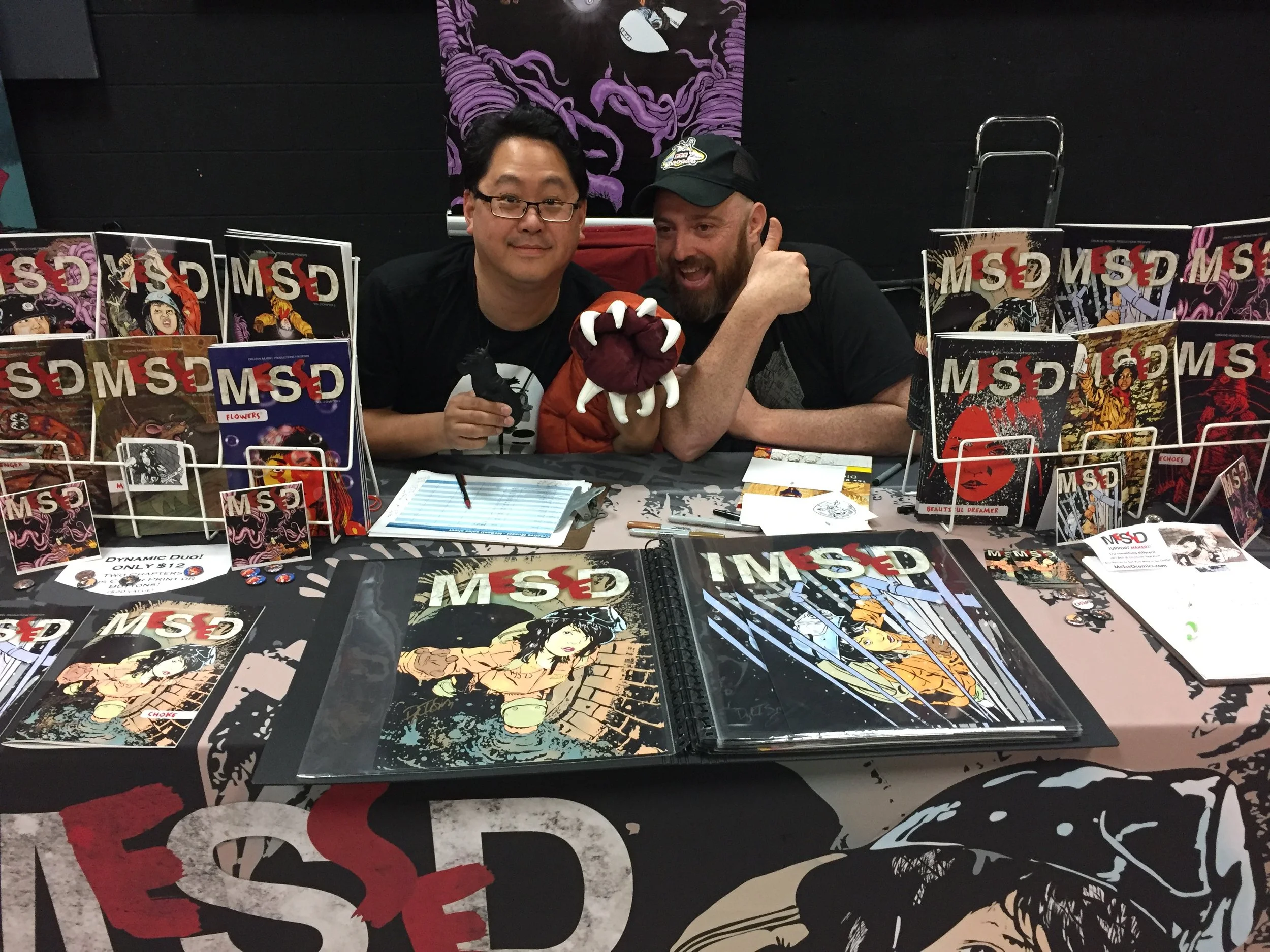
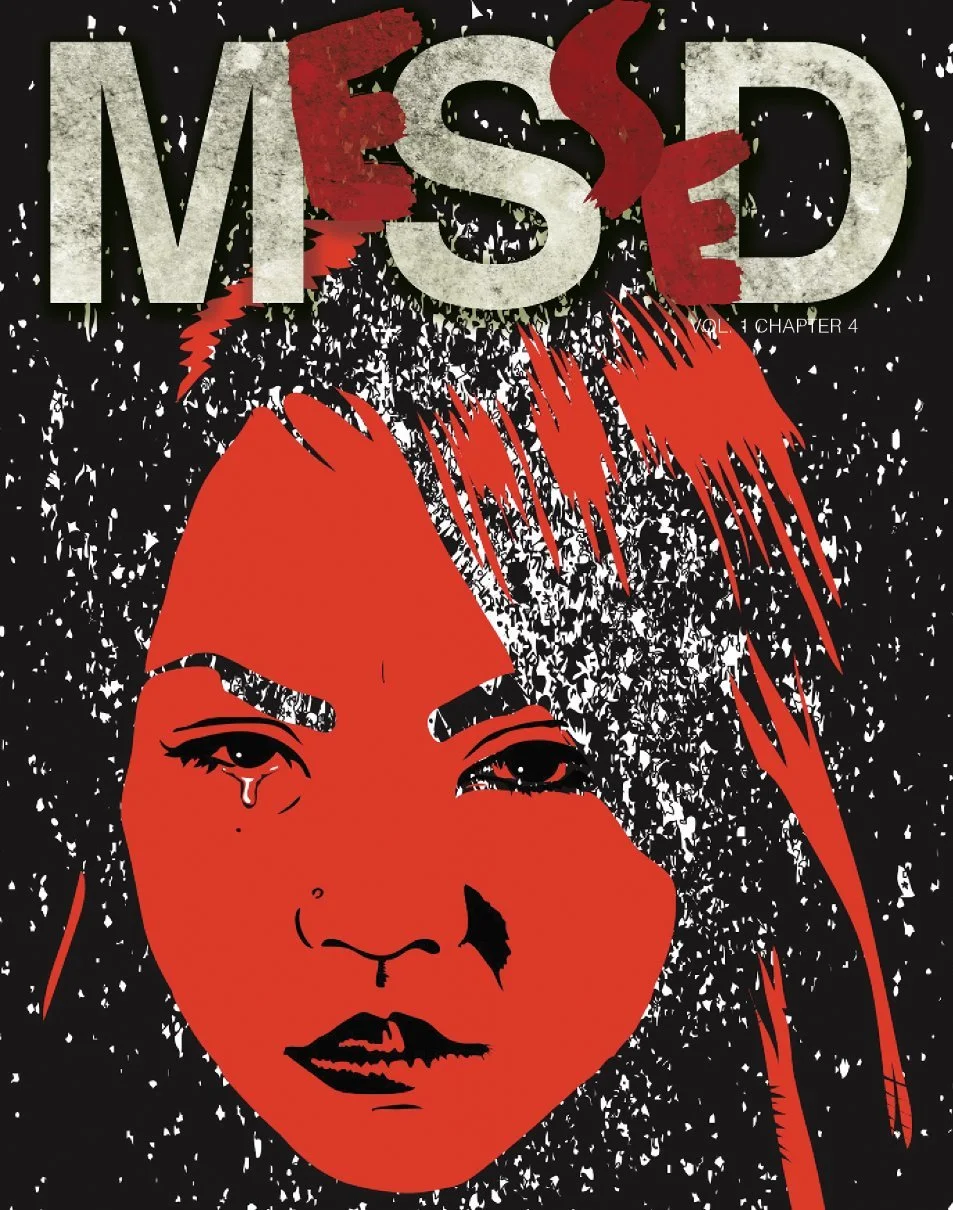
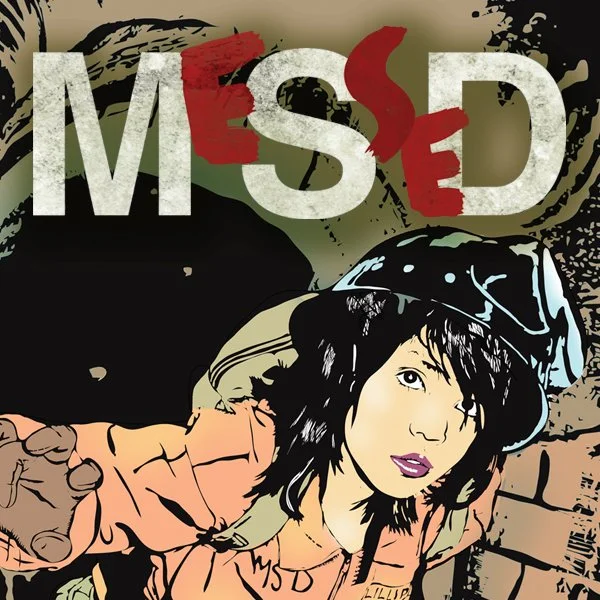
That question eventually became MeSseD, a comic series named after Cincinnati’s Metropolitan Sewer District. Like everything he had done before, he built it from the ground up. He spent a year researching, touring facilities across cities, talking to workers, and collecting details. Nothing felt too small to matter.
“I don’t think any idea has hurt from research.”
Those details made their way into the work. Even the names. Lilliput, Fat Mucket, Sandshell, drawn from freshwater mussels he encountered during his research. Real elements, reimagined into something else. He wrote scripts, developed the concept, and connected with artists through Cincinnati’s comic creator community. What started as a search for collaborators became a long-term partnership with illustrator Dylan Speeg.
He also built the story with uncertainty in mind. Early chapters were written as complete arcs, anticipating that collaborators might change. They didn’t. But other barriers appeared.
“I tried to find a publisher. It wasn’t the right fit, so I just kept publishing.”
So he learned the full publishing and distribution workflow. Prepress and printing. Budgeting and paying artists. Inventory and print runs. Wholesale and direct sales. Distribution and marketing. He became not just a creator, but someone who could carry the work all the way through. At first, he thought the audience would be online. Instead, he found something different.
People connected most when he showed up in person.
Comic conventions were a starting point, but not the end. He expanded into craft shows, maker markets, and niche events, testing where the work resonated. One of those places was a wastewater convention in Indianapolis.
“It’s a massive sewer convention.”
Thousands of workers, all part of a system most people overlook. The same system he had turned into a story.
“They don’t see what they do as something interesting… but they see themselves in the comics.”
That moment clarified something. The right audience is not always the most obvious one. He leaned into that idea. Not just in where he showed up, but in how. At events, he designed experiences that let people enter the world he built. Oversized sewer worms. Interactive elements. A three-story underground “tunnel tour” in downtown Cincinnati that turned the comic into a physical experience.
He went beyond selling comic books and started creating experiences. About five years into MeSseD, the work shifted again. What began as something for his daughters became something more personal.
He started exploring his Filipino heritage more directly, looking for ways to connect his creative work with his own identity.
“I wanted to do the Venn diagram of my geekiness with my ethnicity.”
That exploration led to St. Malo, based on the first Filipino settlement in North America. From there, he moved on to Filipino Assassin, which tells the story of a Filipino boxer in Cincinnati whose history had largely gone unnoticed. He had lived in the city for decades and had never come across the story.
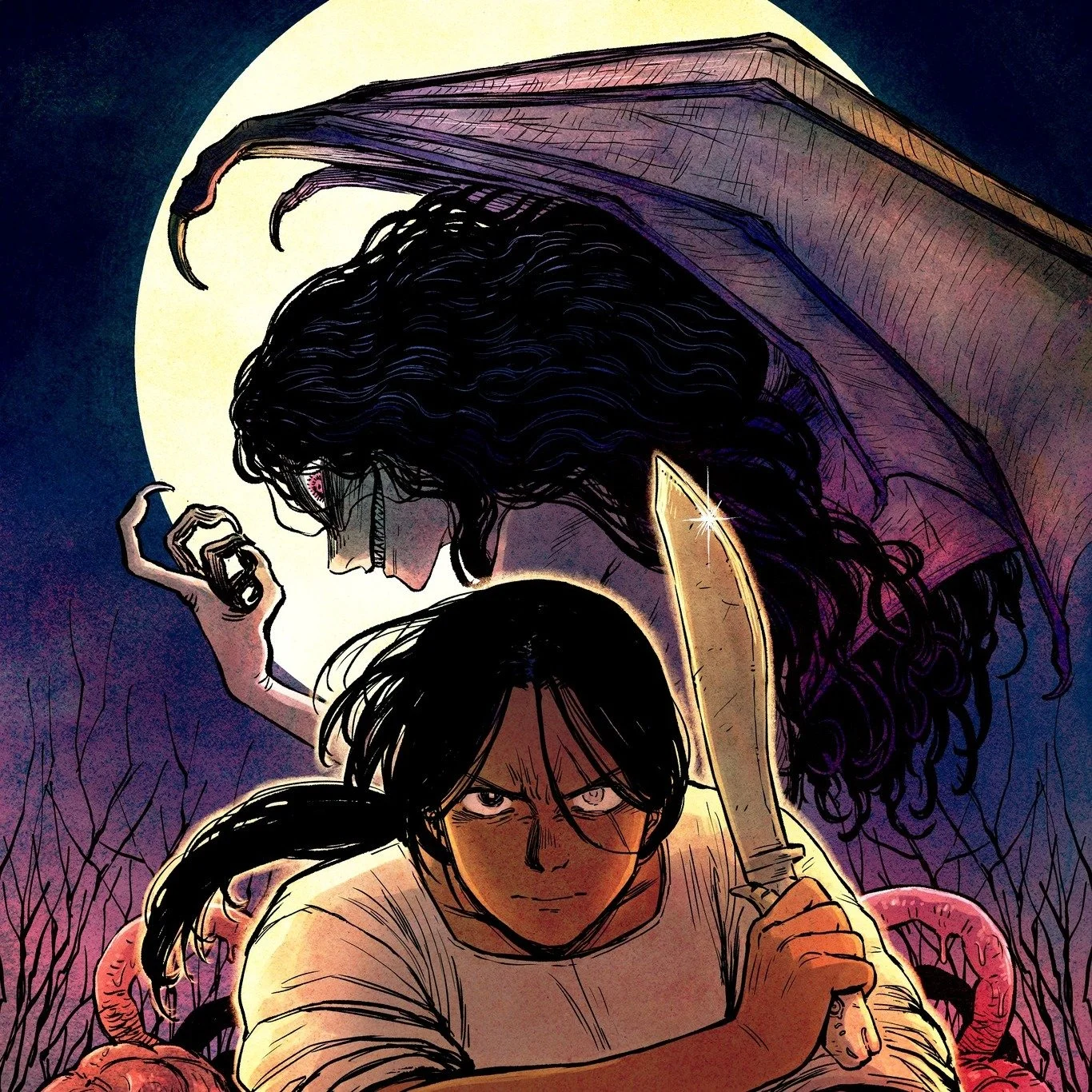
His work expanded into multiple series, including stories inspired by regional folklore and cryptids. But the approach stayed consistent. Start with something real. Research deeply. Then build a world around it.
Cincinnati remains part of that foundation due to the relationships and systems that support the work. The Over-the-Rhine arts community. The network of comic creators. Local grants and events like Crafty Supermarket, where audiences return and follow the work over time.
Behind the scenes, the work is tied closely to his life. His wife helps with logistics, travel, and editing. His daughters still show up at events, sometimes helping, sometimes just being there. The work is not separate from his life. It is part of it.
Jay's path has been shaped by curiosity, relationships, and a willingness to follow an idea further than most people would. What drives him now has shifted over time. It started with his daughters and grew into a focus on representation. Now a deeper exploration of identity is woven in. He pays attention to the things others overlook.
And that is where hidden worlds begin to emerge.