Lisa Graham
The founder behind Brewhaus Bakery on creating jobs, building partnerships, and changing what’s possible for people across the region.
A Cincinnati Bakery with a Bigger Purpose
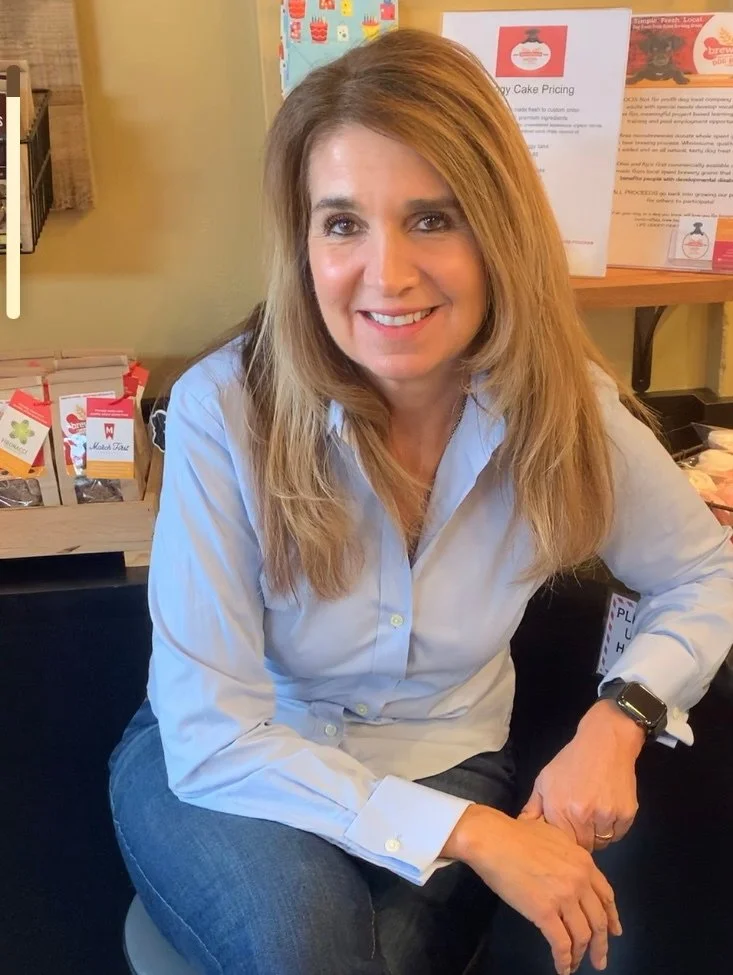
The story behind Brewhaus Bakery started in a kitchen, years ago. “I definitely grew up in a family that liked to cook and bake and grow things,” Lisa recalls. “We always had a big garden, and those are probably my best memories.” Those early experiences shaped how she thinks about food and what it can do.
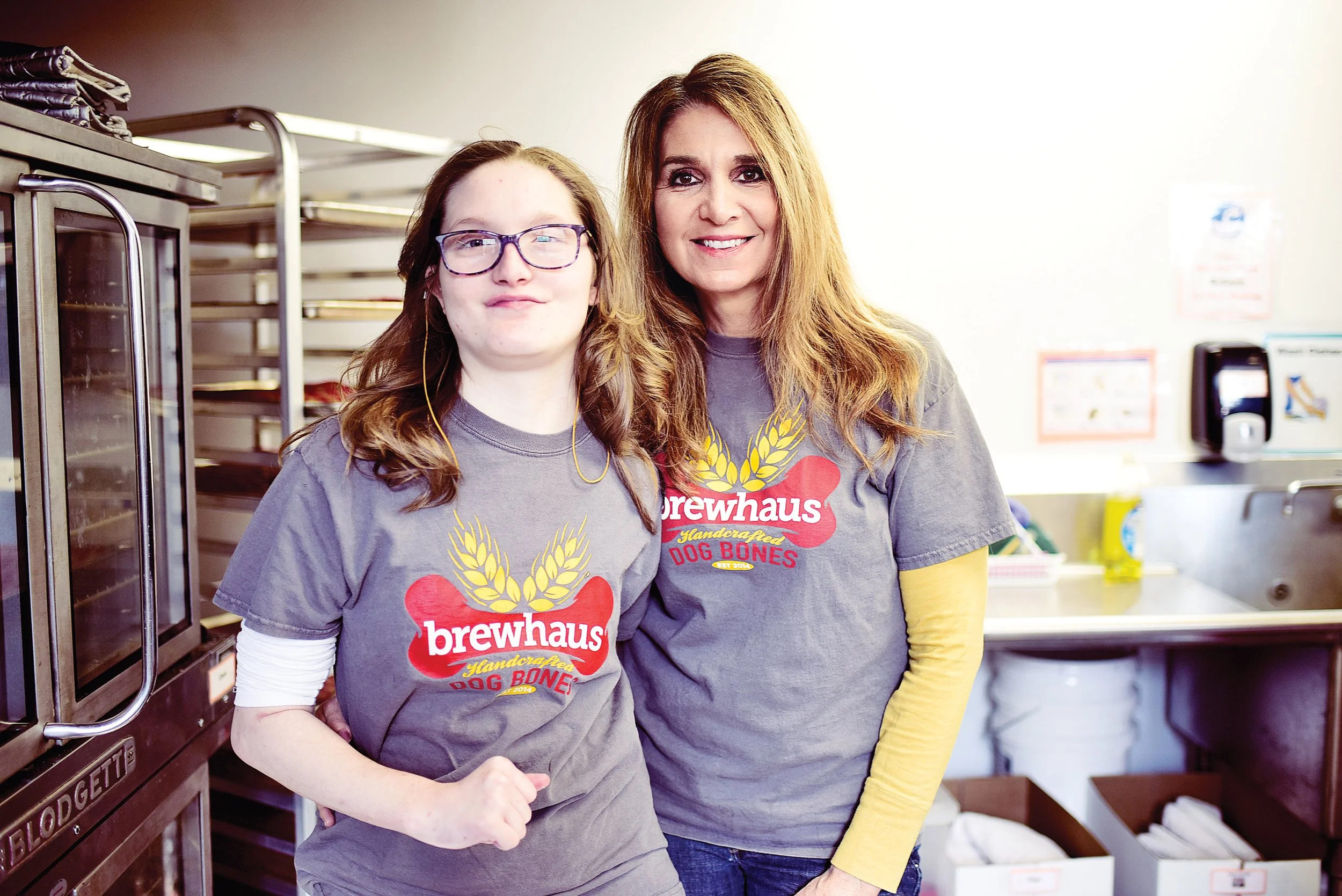
Today, Lisa runs Brewhaus, a nonprofit bakery that provides paid work and training for people with disabilities. Lisa did not set out to become a baker. She built a career in clinical research, then went back to school to become a medical social worker after her middle daughter, Natalie, was able to attend school full-time.
Natalie was born weighing just three and a half pounds and has a rare genetic condition. As Natalie got older, Lisa began thinking about what would come next. What happens after high school? What kind of work would be available to Natalie? The idea that would become Brewhaus came during a trip to San Diego.
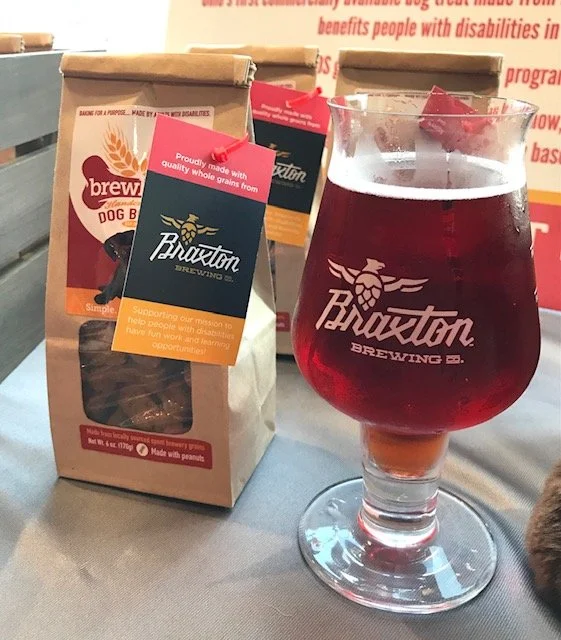
Lisa was visiting a brewery when she noticed dog treats made from spent beer grain. “The light bulb went off in my head. I thought, this is a great idea. I can take this back to Cincinnati.”
Back home, the idea stayed with her. Baking was already part of her life, something she and her daughter shared. They also loved animals. The idea of turning spent grain into dog treats felt like something Lisa could build with her daughter. Before moving forward, Lisa reached out to the woman behind the original treats. She asked for permission and received guidance in return.
Starting the bakery meant learning everything from scratch. She read late into the night, figuring out how to start a nonprofit and run a kitchen, how to price products, and how to sell them. Lisa also leaned on mentors and local support where she could, and she began connecting with local breweries to source spent grain.
“I jumped into things without really knowing if I could do it. It’s kind of like sink or swim.”
With spent grain now coming in from local breweries, she moved from idea to production. Early on, she landed a larger order than she expected and had to figure out how to fill it with the space and resources she had. The first kitchen was borrowed. A local high school let her use their kitchen after hours, giving her a place to get started without having to build her own. From there, Brewhaus moved to Findlay Kitchen, then to a larger space in Madeira. After COVID disrupted everything, the bakery eventually secured its own building in Mount Washington.
Each move brought new challenges. COVID hit hard.
“It really knocked us down.”
Even after things reopened, the environment had changed. Breweries closed. Fewer people were going out. Retail patterns shifted. Costs kept rising.
“The cost of everything we do has gone up.”
Through all of it, the purpose of the bakery stayed the same. Brewhaus exists to create jobs. Real, paid jobs for people who are often left out of the workforce.
“We provide paid employment and a training platform for individuals who face barriers to jobs in the community.”
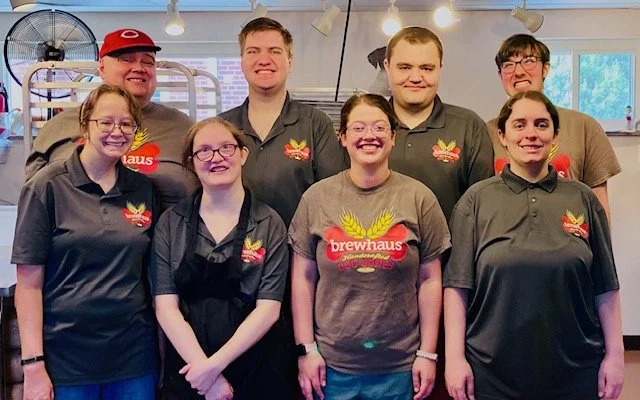
The work extends beyond the bakery, connecting with local school districts and training programs to create pathways into employment. For Lisa, the work is personal. The team handles every part of the process. Mixing dough. Baking. Packaging. Labeling. Deliveries.
“They are very capable. They do an absolute great job. I really want it to be a fun place to be.”
The work is structured, but Lisa is intentional about the environment. What started in a borrowed kitchen now reaches far beyond Cincinnati. Brewhaus partners with companies like Graeter’s Ice Cream. Their products are sold in multiple cities. They also produce for breweries in California, Cleveland, and Tampa, along with regional restaurant groups.
Growth has come step by step, with Cincinnati at the center of it. Lisa describes the city as a place where people try to support local makers. There are kitchens, universities, and networks that help people get started, even if figuring out how to navigate them takes time.
“Most of the people I meet really want to support buying local.”
That support helped Brewhaus get off the ground. It still matters. Running the bakery while continuing her work in healthcare has not been easy.
“This is not for the faint-hearted. It’s not something that is easy to turn off.”
There is no clear separation between work and everything else. The responsibilities carry over into nights and weekends. The work has reshaped how she spends her time. Each order creates more hours of work for someone who might not otherwise have that opportunity. Each new partnership opens another door.
“My goal is to make this as big as possible so that we can do as much good as possible.”
Looking ahead, Lisa is focused on growing what she has built. More space would help. So would a drive-up window where customers can bring their dogs. She wants to expand distribution and create more jobs. She saw a gap and decided to do something about it. What she built is simple and tangible. Something people can pick up, share, and come back for. A small dog treat, made with care.
And behind it, work that changes what’s possible.