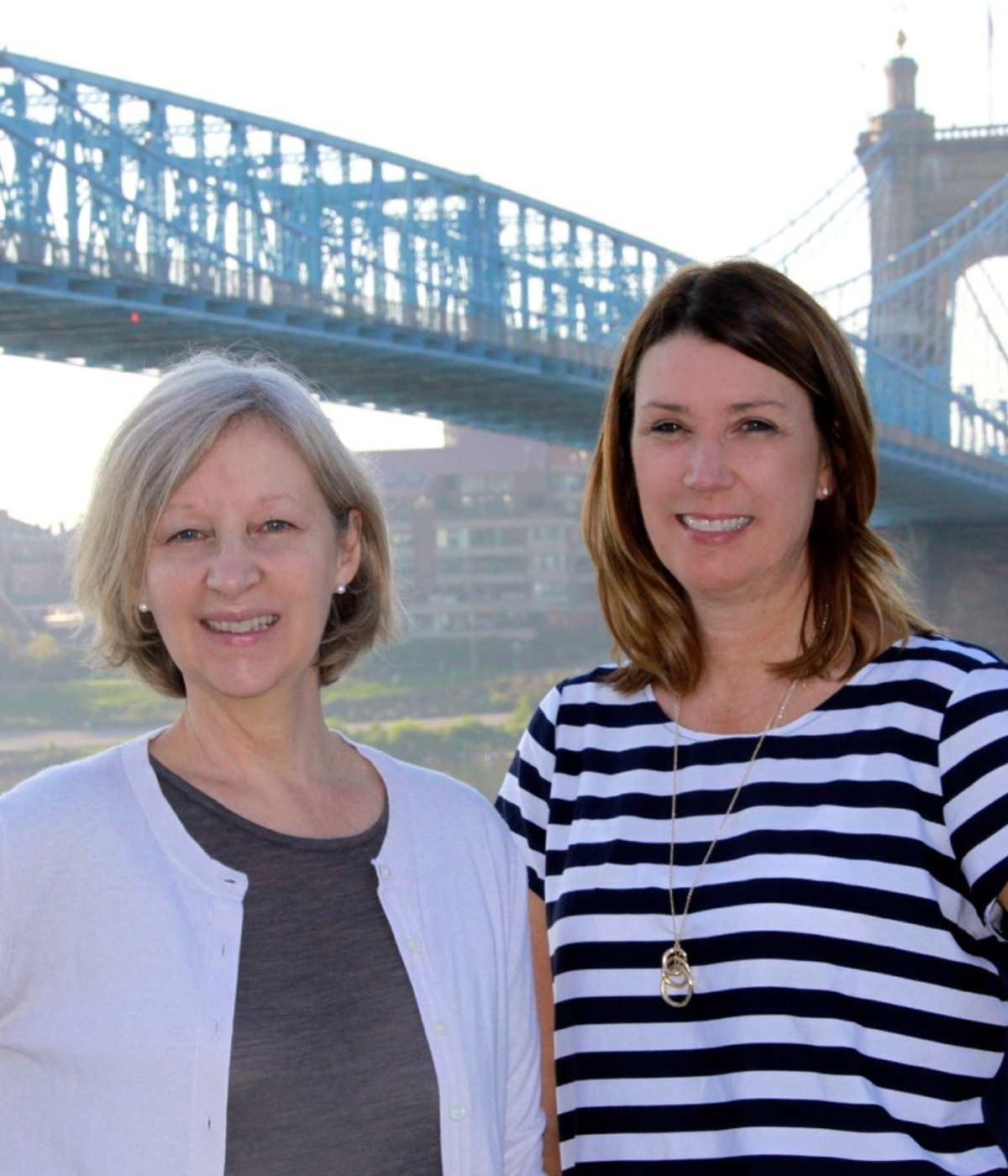
Beth Koenig and Bev Perrea
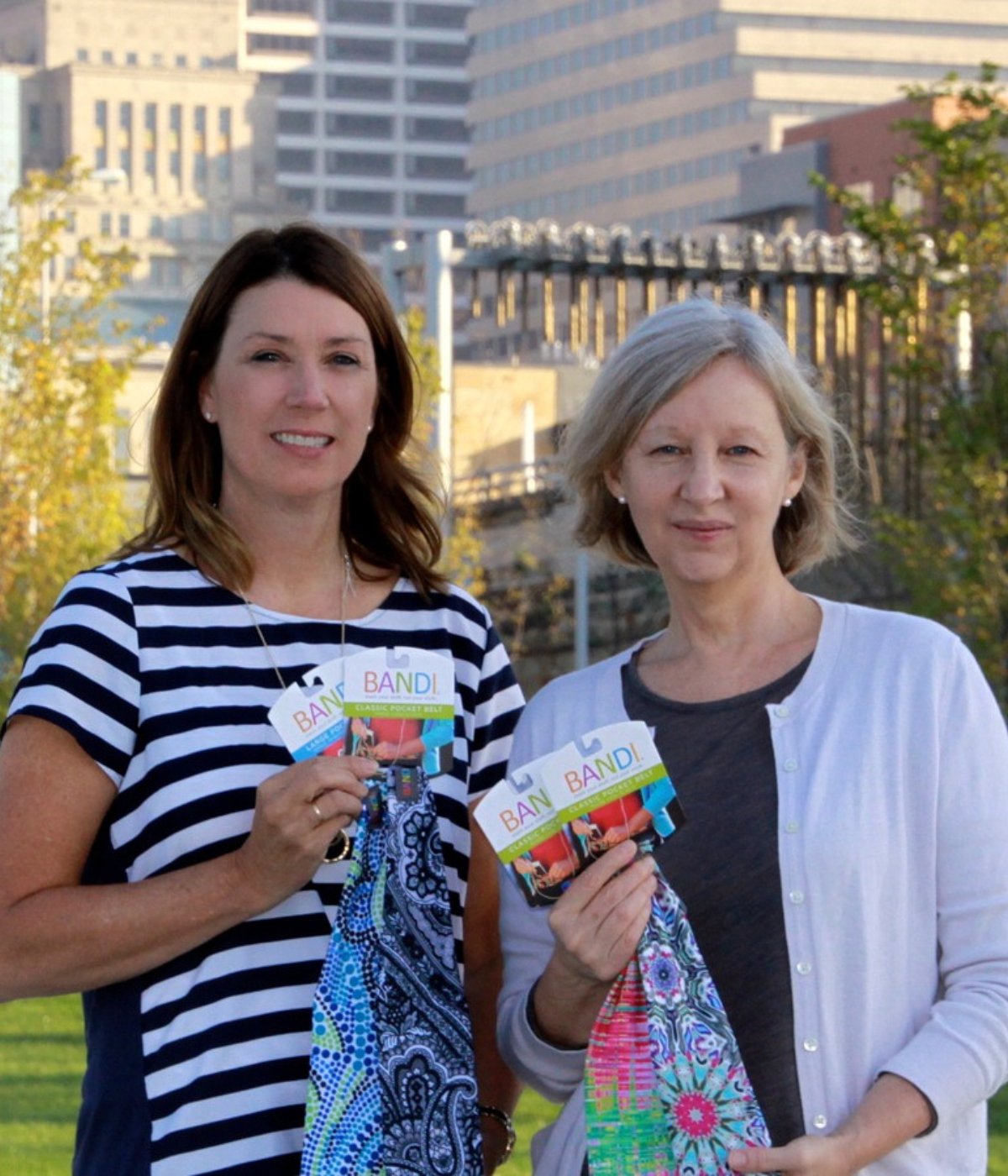
The founders behind BANDI Wear on solving an everyday problem, navigating American manufacturing, and growing a business from the dining room table.
Two Cincinnati Makers Turning an Everyday Frustration into a Business
Before BANDI became a business, it was just two Cincinnati moms trying to figure out where to put their phones. Beth and Bev first connected through their children’s activities, but casual conversations eventually turned into a company built around design, and everyday life.
Beth Koenig, a lifelong Cincinnatian with a background in film and video production, had spent years raising her family and was starting to think about something new to pour her energy into. Creative projects constantly rotated through her life. “I’m always making something,” she said.
Bev Perrea, originally from Eastern Kentucky, brought decades of experience in apparel product development, merchandising, and marketing. Their personalities balanced each other almost immediately.
Beth tends to work instinctively. Bev measures everything.
“I’ll be like, ‘Just cut it there,’” Beth laughed. “And Bev’s over there measuring a sixteenth of an inch.”
BANDI Wear emerged just as smartphones were becoming more ingrained, but the products designed to carry them felt bulky, impractical, or geared toward men. Beth, a runner, carried her phone by hand. Bev tucked hers into her waistband while walking.
Existing products simply did not fit into their lives.
Bev remembered thinking, “We would never wear any of those products, so what can we design that we would actually embrace?”
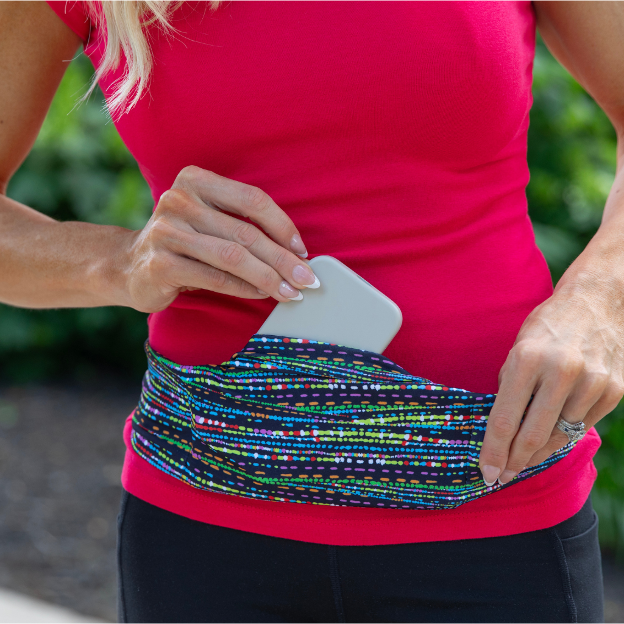
Working from Bev’s dining room table, they cycled through prototype after prototype until they landed on the Pocketed Belt that would become BANDI Wear’s signature product. “I put it on and went for a run, and I was just like, ‘This is so cool. We’ve got something here,’” Beth recalled.
From the beginning, the products reflected the ways Beth and Bev themselves moved through the world. Over time, their audience expanded well beyond runners. Customers quickly began using the belts for everything from travel and dog walks to gardening and everyday errands.
Eventually, the company expanded into additional accessories and Pocketed Skirts inspired by the same philosophy.
The company officially launched at the Flying Pig Marathon Expo in Cincinnati in 2012, a moment both women still describe as pivotal. They self-funded the business, sourced the materials, built the branding, and showed up at the expo without knowing whether anyone would care. By the end of the weekend, they knew people understood the idea.
“We just put ourselves out there,” Bev said. “We created it. We developed the brand, purchased the raw materials and packaging, everything that went into making that first appearance at the Flying Pig happen.”
Manufacturing quickly became one of their biggest hurdles. From the beginning, they were committed to manufacturing in the United States, even though finding cut-and-sew facilities capable of handling stretch fabrics in smaller quantities proved difficult.
Even with Bev’s apparel background, the realities of manufacturing were far more complicated than either woman expected.
“I had no idea how hard it would be,” Beth admitted.
Like many small apparel companies, they discovered how difficult domestic cut-and-sew manufacturing had become for smaller production runs. Early production started locally in Cincinnati before eventually moving to factories in Kentucky, where Bev’s industry experience and relationships helped open doors.
As the business grew, Beth and Bev built BANDI Wear steadily and intentionally. Marathon expos, Findlay Market booths, holiday markets, and regional maker events helped establish the brand organically throughout Cincinnati and beyond, allowing them to test products face-to-face with customers long before social media advertising dominated small business growth.
They also began looking for opportunities beyond regional events and local retail. Bev eventually attended a women’s marketing conference near Washington, D.C., led in part by Good Morning America contributor Tory Johnson. The $1000 conference fee was a significant investment for the young company, but Bev hoped it might open doors for the brand. That instinct paid off. BANDI Wear was later featured on Good Morning America’s “Deals and Steals,” leading to a surge in national exposure and demand.
The surge in demand was so large that they found themselves scrambling to scale production almost overnight. Bev and her husband even loaded rolls of fabric into their Subaru and drove to Indiana to help an additional factory ramp up production fast enough to fulfill orders. “That little $1,000 investment grew into being a big part of our business,” Bev said.
The company eventually outgrew working from home but could not yet afford dedicated office space. For a while, the vacant house across the street from Beth’s home became BANDI Wear’s temporary headquarters, filled with inventory, shipping supplies, and rolls of fabric.
Even after years in business, Beth and Bev still manage nearly every part of the company themselves: product development, fulfillment, marketing, customer service, and operations. They also spoke candidly about rising advertising costs and the growing complexity of e-commerce for small businesses.
BANDI Wear grew alongside Cincinnati’s maker ecosystem. The Flying Pig Marathon and Findlay Market gave Beth and Bev early visibility and direct access to customers, while local events and regional manufacturing relationships helped them test ideas, build momentum, and grow the business organically. Even now, they believe makers in Cincinnati still need stronger access to trusted creative support, marketing resources, and visibility.
Beth and Bev understand those challenges personally because they built BANDI Wear through years of improvisation, relationships, and steady word-of-mouth growth.
Fifteen years later, they still spot BANDI Wear products in the wild: airports, walking trails, yoga studios, and sometimes just around their own neighborhood.
They thought they were designing for women like themselves.
Turns out, there were a lot of them.