Dani Fraley

The maker behind Suncraft Collective on finding her way from interior design to woodworking, building a creative business, and finding community among fellow makers.
A Cincinnati Woodworker Turning a Love of Making into a Way of Life
Dani was a maker long before she ever called herself one.
As a kid growing up in Cleveland, she was always making things. She built little structures in the woods, took ceramics classes, played with Legos, and gravitated toward anything three-dimensional. Her family was not especially handy, and there were no tools around the house or adults teaching her woodworking or construction. Most of what she learned came from curiosity and figuring things out as she went.
By middle school and high school, she was taking every shop and woodworking class she could. One of the first projects she remembers building was a wooden step stool. It may have seemed simple, but she still remembers the satisfaction of making something herself and watching it come together piece by piece.
As a teenager, she started thinking seriously about becoming a carpenter.
But the people around her encouraged a different path.
Carpentry felt more like a hobby than a career option, especially for someone seen as academically strong. So Dani enrolled in the University of Cincinnati’s DAAP program for interior design, hoping it would allow her to combine creativity with hands-on work.
The program gave her a strong foundation in design and exposed her to a wide range of creative tools and processes. She especially enjoyed the opportunities to build furniture and work on physical projects, even as much of the coursework focused on computers, CAD software, and digital modeling. After graduating, she moved into design jobs and spent years behind a screen creating renderings and technical drawings.
Eventually, trying to be creative on demand inside a windowless office slowly wore her down. She liked design, but she missed physically making things.
“It wasn’t filling the cup,” she said.
In 2018, things shifted. Dani took a job with a small woman-owned design-build company. The work combined design with hands-on fabrication, and the environment felt completely different from the traditional office spaces she had worked in before.
The women she worked with at the design-build company were not waiting around to become experts before trying something. If they did not know how to do something, they researched it, watched YouTube videos, asked questions, experimented, and figured it out as they went.
“How hard could it be? Let’s do it,” was the mindset.
“It was so empowering and so impactful and life-changing,” she said.
The work was physical, creative, and collaborative. Over time, she realized she did not just want to design spaces. She wanted to build things herself.
Soon after, she stepped away from office design work completely and moved into fabrication full time. Over the next several years, she worked professionally as a carpenter before slowly shifting toward custom woodworking and smaller fabrication projects.
Part of that shift was practical. At 5'2", carrying drywall and handling large renovation jobs every day was physically exhausting. But Dani also found herself drawn toward detail work, craftsmanship, and smaller objects that felt more personal and manageable.
“In 2023, I started my company, which is a little bit of both,” she said. “I do a little bit of design work here and there, and I get to fabricate all this stuff, so I feel like it’s been a really good happy medium and kind of blended my skills. I’m loving it so far.”
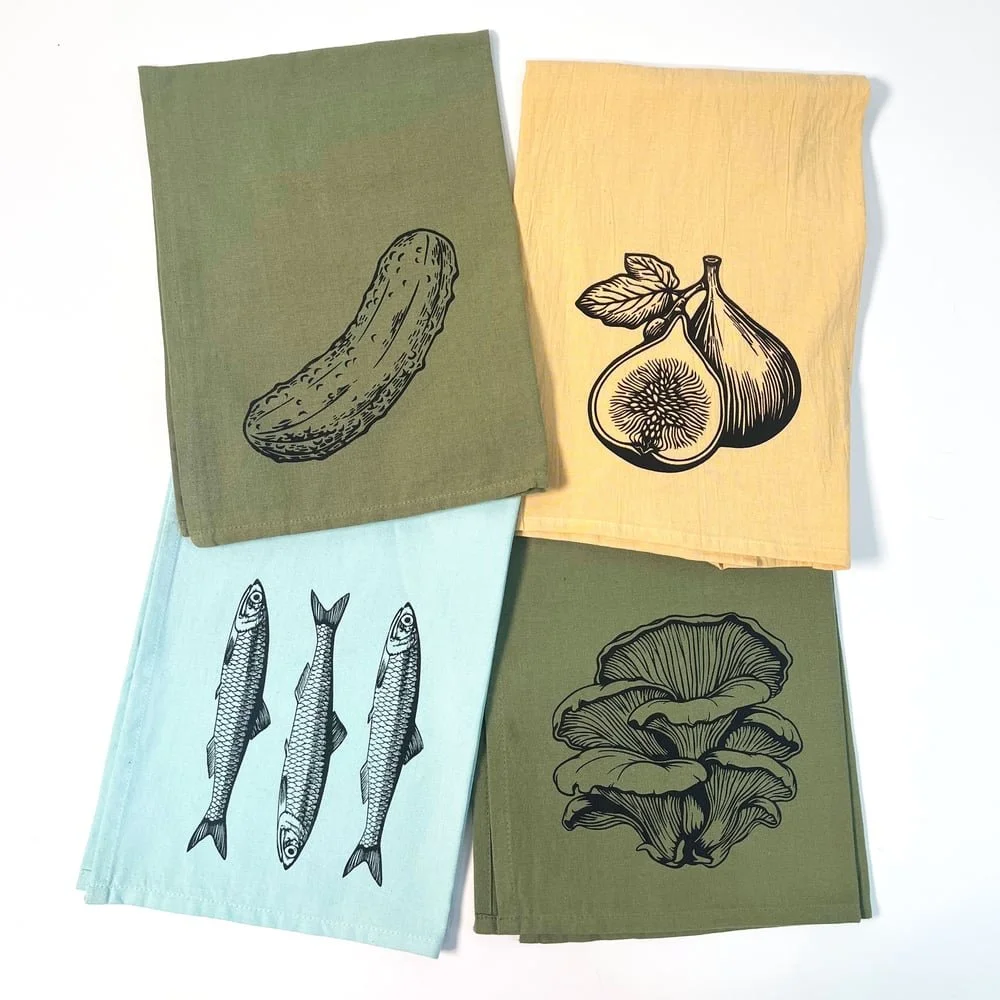
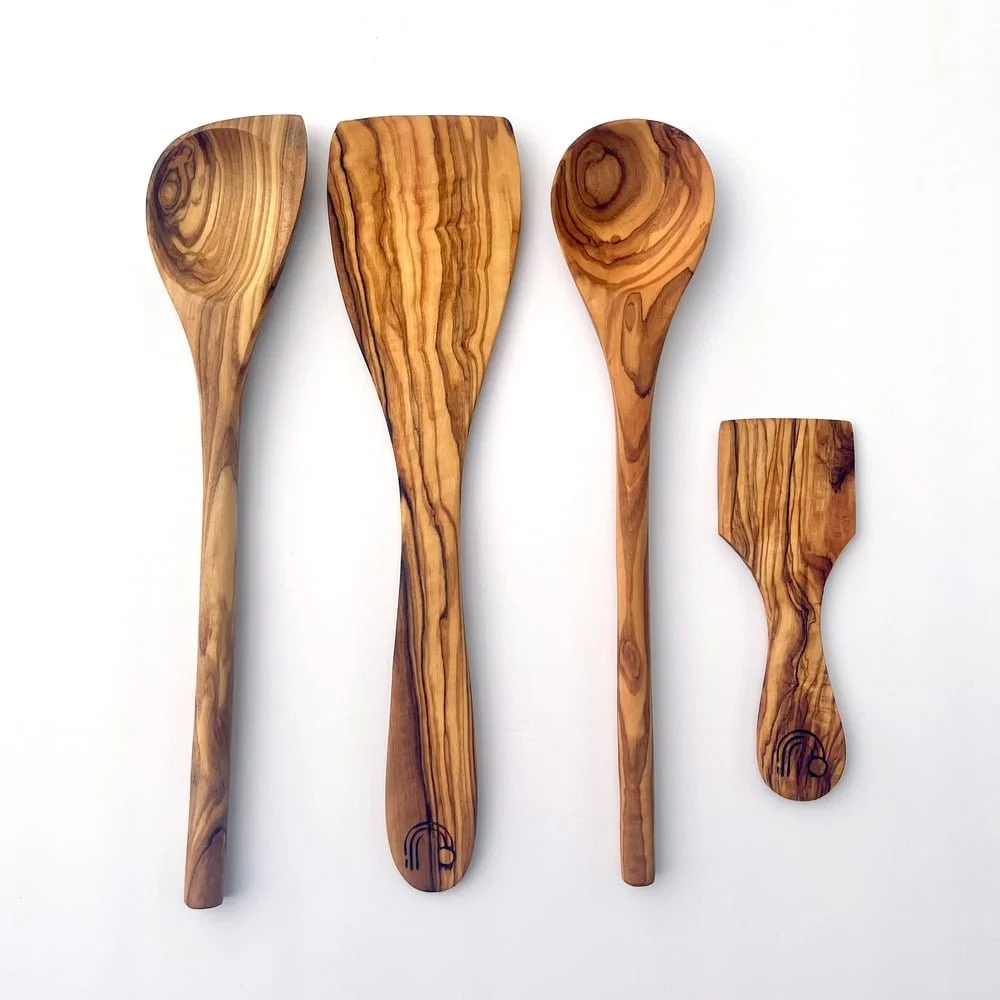
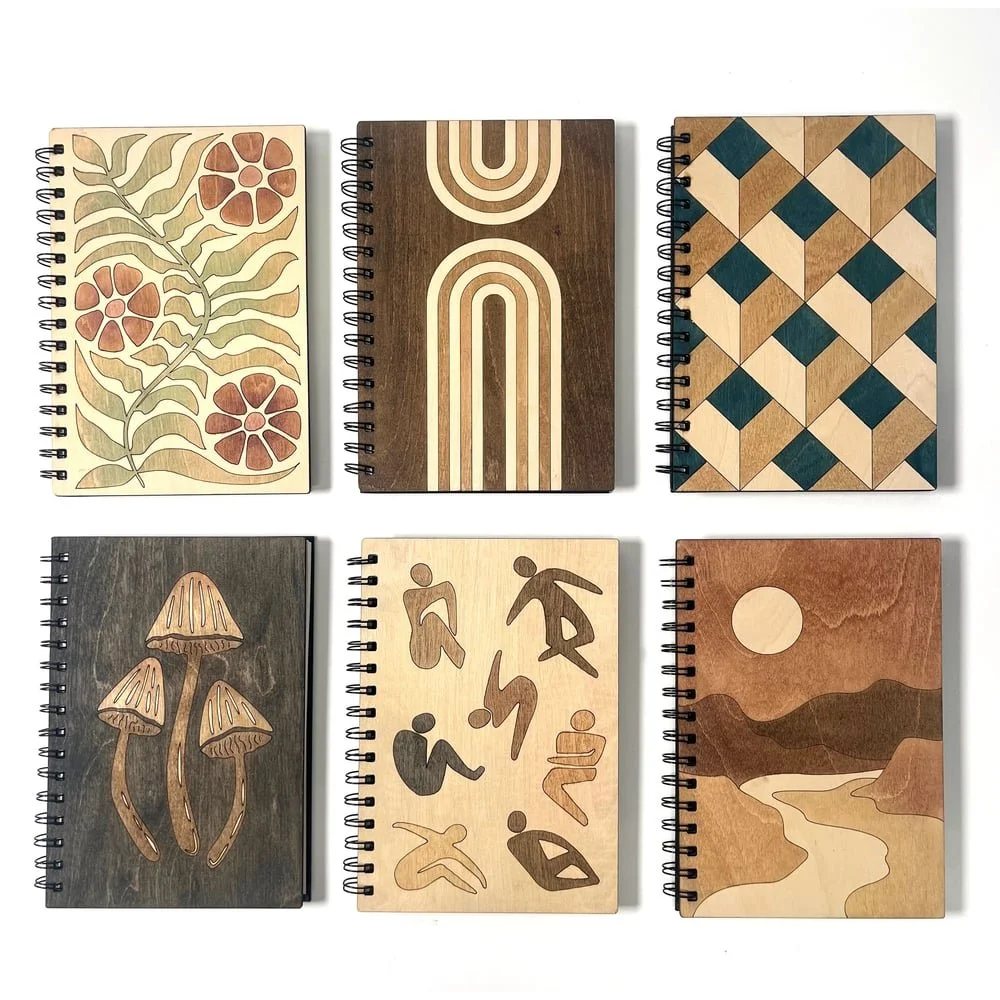
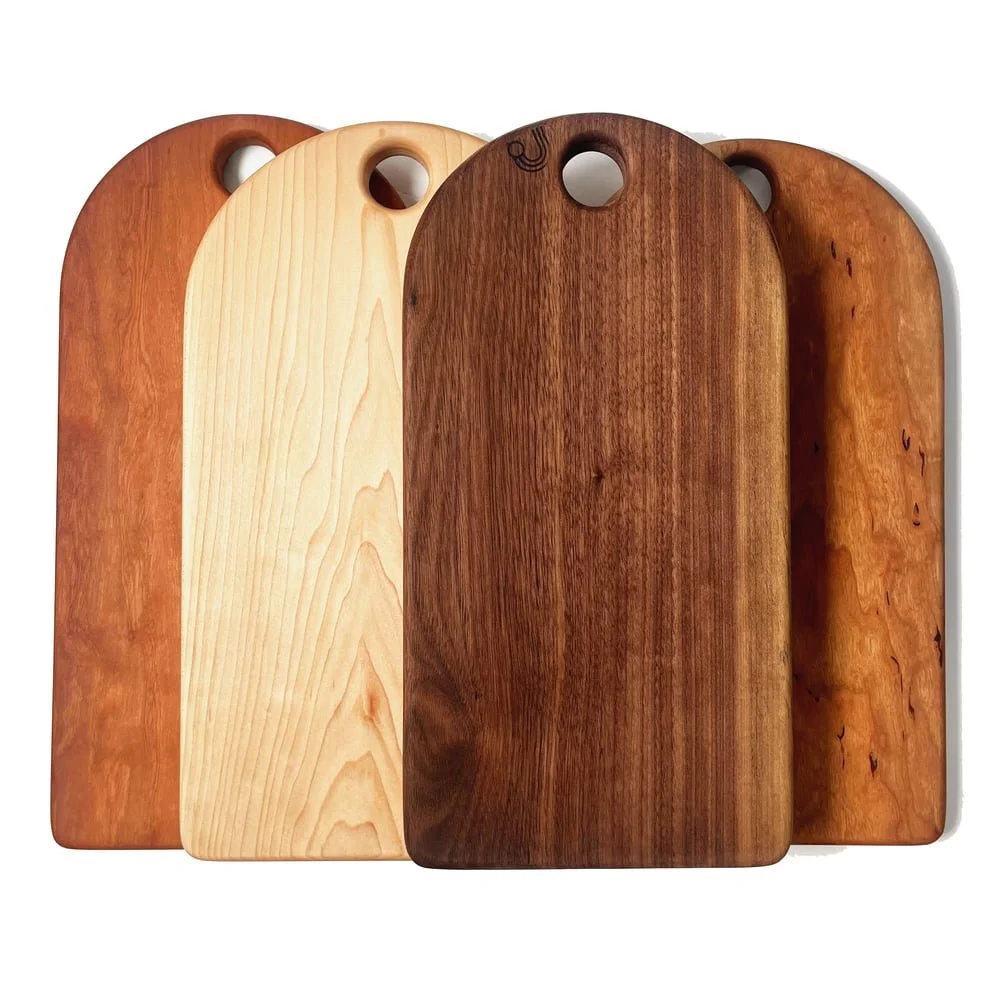
Through Suncraft Collective, Dani creates laser-cut notebooks, cutting boards, and home goods while also collaborating with a local screen printer on fabric products like towels and bags. The business gave her a way to bring both parts of her background together.
But turning creativity into a business brought challenges she had never really thought about before.
“It starts as something you love, and then there’s just so much more to it,” she said.
Once making became her full-time business, every idea came with practical questions. Would people buy it? Could she make enough inventory? Was it priced correctly? Could she make enough money doing this to support herself?
She quickly learned that customers often surprised her.
“The things that I think are gonna sell really well never do,” she said with a laugh.
Some products sold out unexpectedly. Others sat untouched until they eventually had to be discounted. Over time, she adjusted her products, pricing, and inventory based on what customers responded to.
Early on, there were plenty of late nights spent trying to keep up with demand or worrying about running out of inventory.
“There’s definitely some fears of running out,” she said. “And then there’s also, on the flip side, the fear of having too much of something too.”
Over time, she learned not to let those moments consume her.
“It’s a cutting board,” she said with a laugh. “I don’t need to stay until midnight tonight.”
She also realized that running a creative business changes your relationship with creativity itself.
Once it became a business, there were suddenly spreadsheets, taxes, inventory, market prep, and production schedules attached to it. Even outside of work, she noticed herself becoming more analytical and critical instead of relaxed.
To balance that out, she started trying to reconnect with slower hobbies again, things like reading and going on nature walks.
At the same time, she stayed intentional about the kind of business she wanted to build.
Dani prefers selling her work in person rather than focusing heavily on online sales. She built her business around weekends at Findlay Market instead of spending her days shipping products or sitting behind another screen.
Selling in person ended up shaping both her business and the relationships around it.
At Findlay, customers pick up her cutting boards and notebooks. They ask questions. They come back weeks later looking for something new. Tourists wander through her booth while regular customers stop by just to say hello.
The relationships feel personal in a way online sales never could.
Through Findlay Market, Hive13, craft shows, and shared workshop spaces around Cincinnati, Dani slowly built a circle of fellow makers, artists, and small business owners around herself. Most of those relationships developed naturally from seeing the same people over and over again.
For her, Hive13 became more than just a place to use tools. It was a place where people shared knowledge, solved problems together, and learned from each other.
Most of the people she meets are trying to build creative lives doing work they enjoy.
“It’s just good people doing what they love,” she said.
Still, she thinks there are a lot of makers in Cincinnati who would benefit from knowing each other better. Most connections happen casually through repeated encounters at markets and events. She would love to see more opportunities for makers to gather, share ideas, exchange advice, and help each other out.
“We need each other,” she said.
Even small things, like coordinating trips to lumber mills outside the city or recommending tools and suppliers, could make life easier for people trying to do everything themselves.
A lot of the work is done alone. Running a small creative business means hauling materials, filing taxes, setting up booths, sourcing wood, transporting products, and dealing with countless small logistical problems customers never see.
“The variety of monotonous tasks is astounding,” she joked.
Still, she has no interest in going back to office life.
“I think I’m much happier now that I get to work with my hands than when I was stuck in an office on the computer,” she said.
What Dani loves most is the simple satisfaction of making things people can actually use. After years of sitting behind screens and designing things for other people to build, she finally found work that feels like her own.
These days, most of her time is spent in the workshop, surrounded by wood, tools, sketches, and unfinished ideas taking shape. And even with all the spreadsheets, market prep, inventory problems, and long weekends, the work still gives her the same sense of satisfaction she felt when she was younger and making things for fun.
For Dani, that feeling is what keeps her going.